As cloud-based security infrastructure increases in both popularity and complexity, there must be new considerations for the technological advances in physical security.
For decades, physical security and corporate IT infrastructure have existed in completely separate silos. Facilities teams managed the physical keys, mechanical locks, and security tapes. IT teams focused entirely on securing the network perimeter, firewalls, and data servers. The two departments rarely shared a budget, let alone a strategic roadmap.
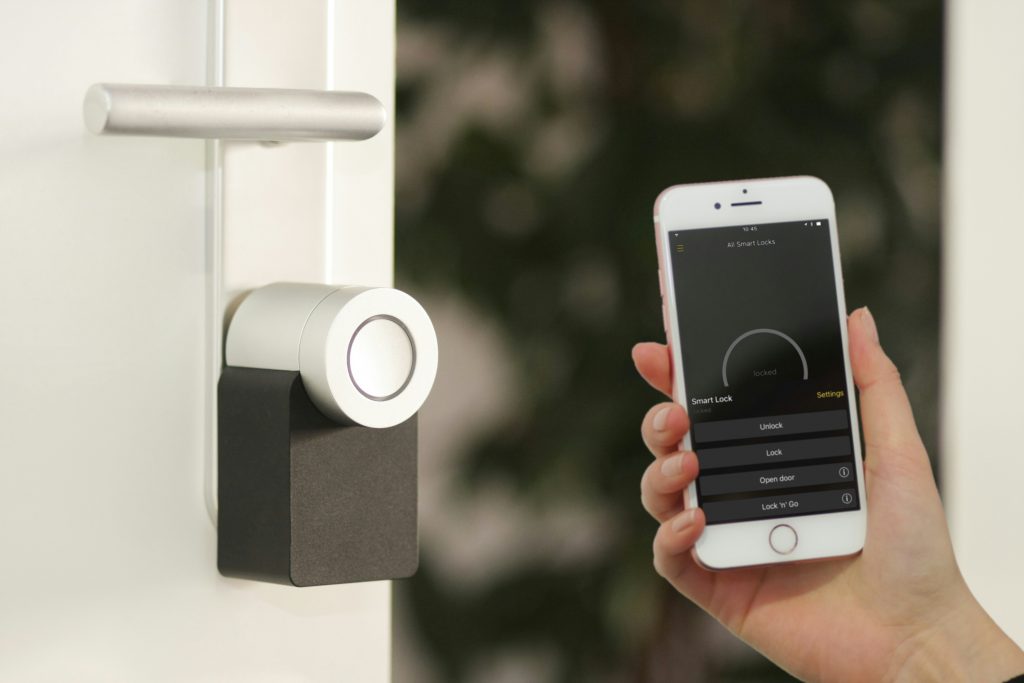
That separation no longer exists. As modern access control systems and high-definition CCTV surveillance migrate towards cloud-based architectures and mobile management applications, physical security endpoints have fundamentally transformed. They are no longer isolated hardware devices; they are enterprise network endpoints.
While this structural shift eliminates heavy on-premise server maintenance and grants administrators unprecedented remote operational control, it introduces a corporate mandate: physical security must now be audited, managed, and defended with the same rigour as your core digital infrastructure.
Defining the Expanded Network Perimeter
Transitioning from traditional on-premise systems to cloud-managed solutions replaces local vulnerabilities with network-based risks. Every IP surveillance camera, smart door controller, wireless lock, and mobile credential reader acts as a potential entry point into an organisation’s network if it is improperly configured or poorly maintained.
The risk profile has shifted away from localised physical tampering, such as clipping a wire or forcing a lock, towards remote cyber exploitation. If an attacker compromises a vulnerable Internet of Things (IoT) security device on the edge of a property, they can potentially leverage that foothold to get into the broader corporate network.
Because of this convergence, a vulnerability in a physical security firmware update is no longer just a facility maintenance issue; it is a critical network security flaw that requires immediate attention from security operations.
Technical Prerequisites for Cloud-Based Security Hardware
When selecting cloud-managed physical security platforms, the procurement process must be driven by strict IT standards rather than hardware installation costs alone. Legacy procurement strategies focused heavily on camera resolution or the physical durability of a deadbolt. Modern enterprise procurement, however, requires a deep dive into data encryption standards, cloud architecture, and software lifecycle management.
A secure, enterprise-grade cloud security infrastructure requires three baseline technical architectures:
1. End-to-End Encryption
Data must be thoroughly encrypted both in transit and at rest. Communications travelling between physical credential readers, local door controllers, cloud databases, and mobile management apps must utilise enterprise-grade protocols (such as AES-256 and TLS 1.3). Without these standards, organisations risk credential sniffing, signal replication, or the unauthorised interception of live video streams.
2. Automated, Over-the-Air (OTA) Patch Management
Software vulnerabilities are inevitable. On-premise security systems frequently run outdated, vulnerable firmware for years because manual updates create operational friction. Modern cloud-native systems must support automated, digitally signed firmware updates pushed directly from the manufacturer. This ensures that zero-day exploits are patched immediately across all devices without requiring a physical site visit or operator intervention.
3. Mandatory Multi-Factor Authentication (MFA)
Because system management is increasingly decentralised via mobile applications, administrative access cannot rely solely on standard passwords. Cloud platforms must support Single Sign-On (SSO) integration or enforce mandatory MFA. This guarantees that a lost, stolen, or compromised employee smartphone does not grant an unauthorised user administrative control over the physical locks and security feeds of a facility.
Aligning Facilities and IT
The operational advantages of cloud-managed physical security and access control, including instant credential provisioning, real-time remote site viewing, and reduced capital expenditure on local servers, are undeniable. However, successfully capturing these efficiencies requires a unified organisational approach.
Before deploying or upgrading your physical security infrastructure, ensure your facilities and IT teams are fully aligned on network protocols, encryption requirements, and compliance standards. Moving forward, organisations must treat every camera and card reader with the same security posture applied to production servers.
At Universal, we can support you with moving to a cloud-based security solution. Just contact us to find out more today.