As a business owner, landlord, or designated premise manager, maintaining your property’s fire detection system is more than just good practice—it is a legal obligation. A single malfunction during a real incident can put lives at risk, lead to significant property damage, and void your commercial insurance coverage.
Under UK law and British Standard guidelines, commercial fire alarm systems require regular professional inspection alongside routine weekly testing.
Here is everything you need to know about fire alarm servicing frequencies, legal requirements, and maintaining compliance under BS 5839.
1. The Legal Requirement: BS 5839 Standards
In England and Wales, fire safety in non-domestic premises is governed by the Regulatory Reform (Fire Safety) Order 2005 (RRO). The order mandates that the “Responsible Person” must ensure all fire safety equipment is maintained in an efficient state, in efficient working order, and in good repair.
To demonstrate compliance with the Fire Safety Order, UK fire authorities and insurance providers look directly to BS 5839-1 (the British Standard code of practice for system design, installation, commissioning, and maintenance).
How Often Must Fire Alarms Be Serviced?
BS 5839-1 recommends that a commercial fire alarm system undergo professional servicing at least every 6 months (bi-annually).
If you manage a large, complex, or high-risk site—such as a hospital, school, manufacturing plant, or care home—the recommended frequency may increase to quarterly (every 3 months) depending on your site’s Fire Risk Assessment.
2. Professional Servicing vs. Weekly In-House Testing
A common misconception among business owners is that performing a weekly alarm check replaces the need for an engineer. In reality, both serve completely different purposes within your compliance framework:
| Inspection Type | Frequency | Conducted By | Primary Objective |
| Weekly Manual Call Point Test | Every 7 days | Responsible Person / Staff | Verifies that the panel registers signals and sounders function. |
| Professional Servicing | Every 6 months | Qualified Fire Alarm Engineer | Thorough diagnostic test of electronics, detectors, wiring, and backup power. |
What Should Your Weekly Test Include?
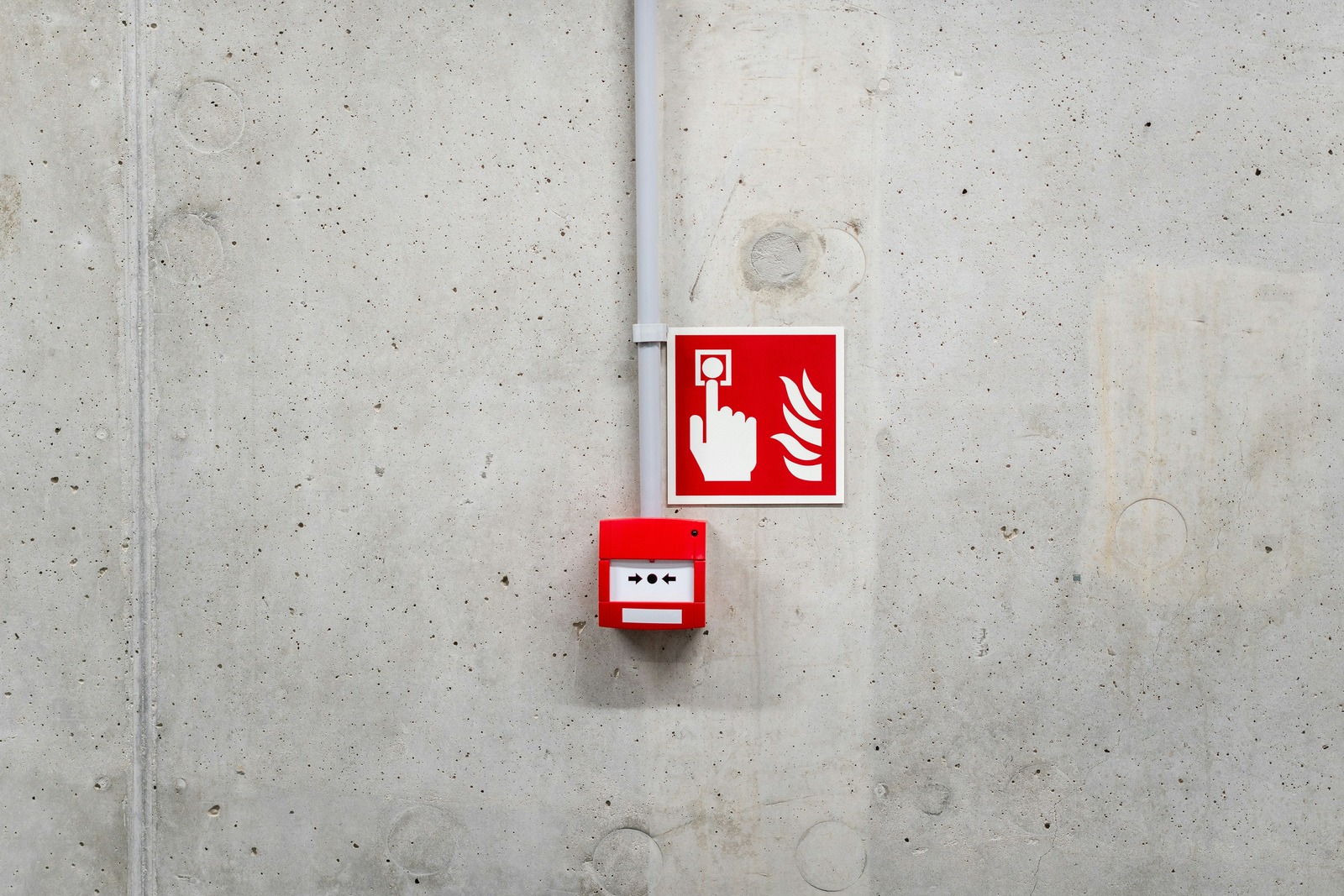
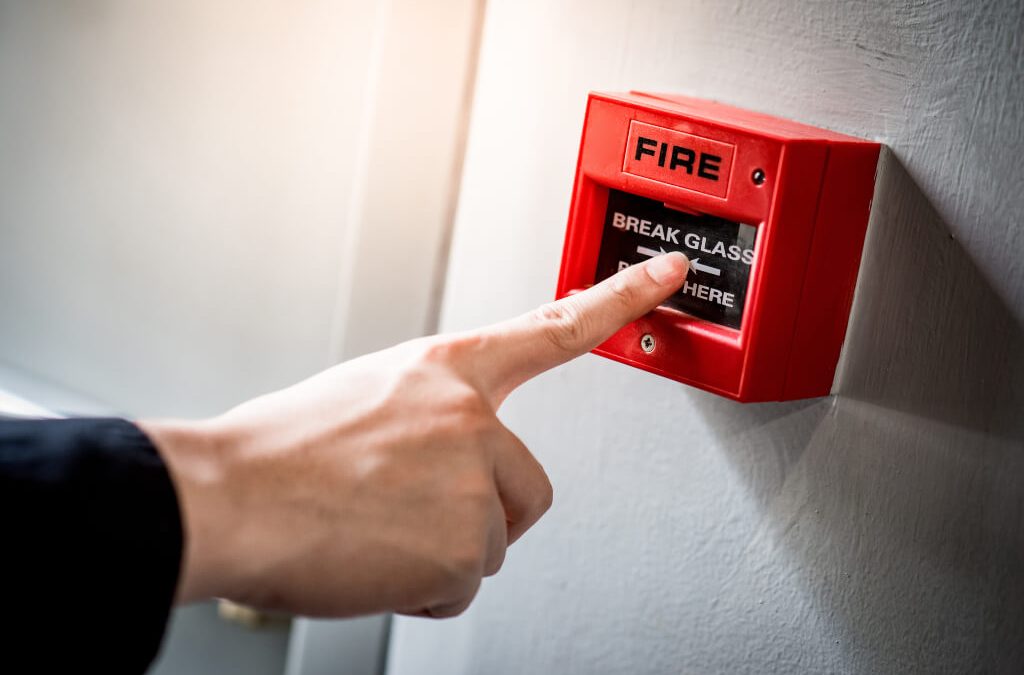
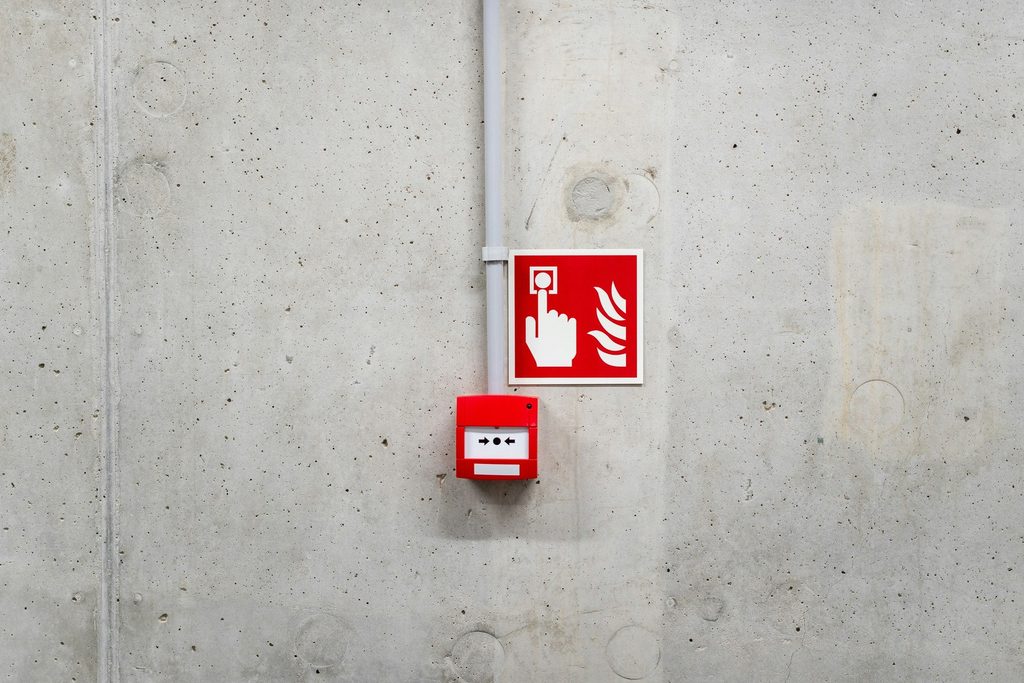
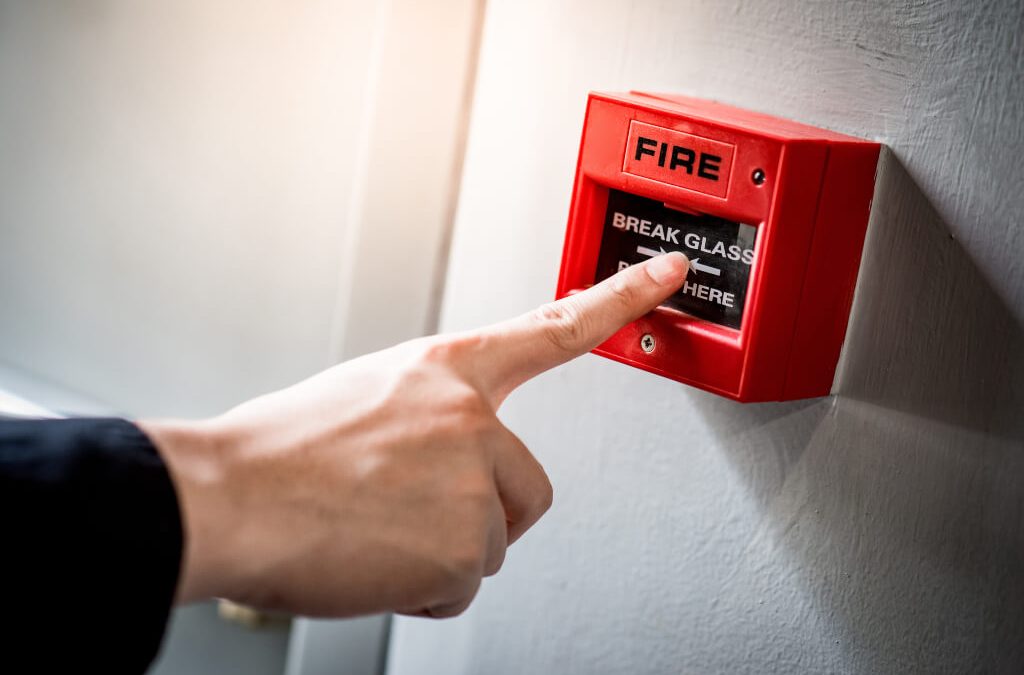
- Activate a different manual call point (break glass unit) each week so every point on the system is tested over time.
- Verify that the fire alarm control panel correctly receives and displays the zone signal.
- Ensure alarm sounders and visual beacons operate throughout the building.
- Record the time, date, call point location, and outcome in your official Fire Alarm Logbook.
3. What Happens During a 6-Month Professional Inspection?
When a qualified fire security engineer performs a bi-annual service, they complete a comprehensive diagnostic and physical check that goes far beyond turning a key in a call point.
1. Panel & Standby Battery Testing
Engineers test the central panel’s circuits and perform load tests on backup batteries. Batteries must be able to power the system in standby mode for 24 to 72 hours (depending on premise type) followed by at least 30 minutes in full alarm state during a power outage.
2. Detector & Call Point Inspection
Over time, smoke and heat detectors accumulate dust, grease, and insects, leading to false alarms or sensor failure. Engineers clean sensors, test sensitivity levels, and physically check individual units across every zone.
3. Alarm Audibility & Visual Signals
Sounders must meet minimum decibel levels throughout the facility (typically 65dB(A), or 75dB(A) at bedheads in sleeping accommodation) to ensure all occupants can hear the alert over background machinery or ambient noise.
4. Integration & Ancillary Equipment Checks
If your fire alarm triggers automatic door hold-open releases, access control overrides, smoke ventilation dampers, or gas shut-off valves, the engineer ensures all interface units trip correctly upon signal.
4. The Critical Role of the Fire Alarm Logbook
During a local Fire and Rescue Authority inspection or an insurance claim investigation following an incident, you will be asked to produce your Fire Alarm Logbook.
Your logbook must contain an up-to-date record of:
- Dates and results of all weekly call point tests.
- Dates and details of any false alarms, system faults, or maintenance work.
- Official BS 5839 Certificates of Testing and Inspection provided by your servicing engineer every 6 months.
Failing to maintain a clear logbook can result in formal enforcement notices, fines, or delayed insurance payouts.
Protect Your Premises with Certified Fire Safety Engineers
Keeping up with fire safety compliance doesn’t have to be complex. Partnering with a certified local fire security company ensures your systems are fully tested, compliant with BS 5839, and ready to protect your property when it matters most.
Need professional fire alarm servicing or inspection in Mansfield, Nottinghamshire, or the surrounding areas?
Contact the team at Universal Fire & Security Solutions today on 01623 354563 or request a quote online to book your 6-month fire alarm inspection.